Week 4 | Medicine + Technology + Art |
Medicine + Technology + Art
The materials covered in this week are about the relation of the human body, art, and biotechnology, companies with the progress of our society. When we think of medicine or biotechnology, it's hard to connect it with art. After learning the materials, I think the bridge that connects technology and art is the secret of the human body.
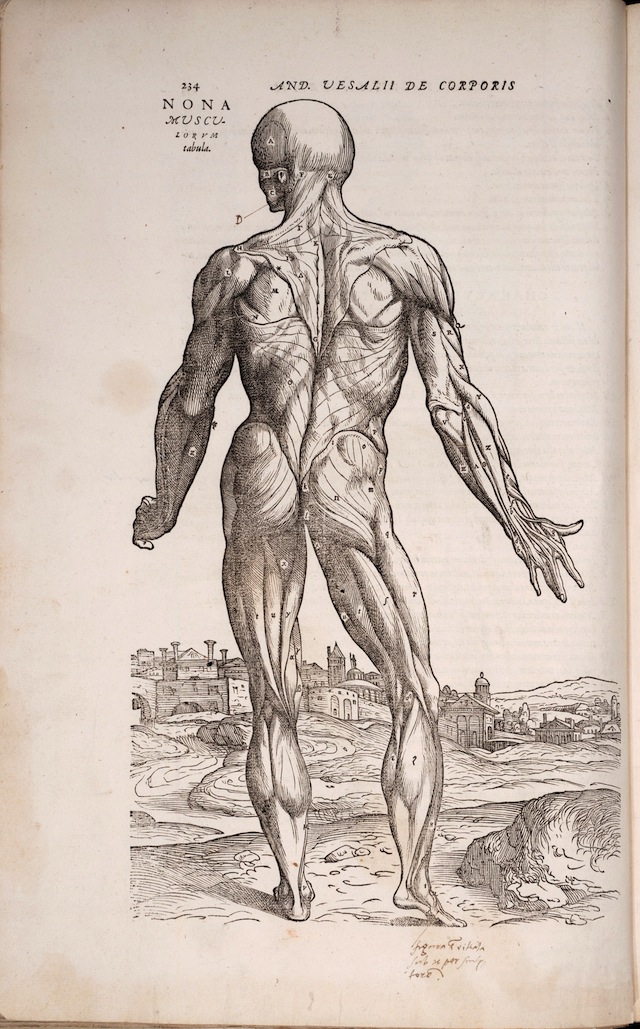
In her first lecture, Professor Vesna introduced the origin of anatomy and its relationship with art. Artists studied the human body and body dissection in order to make their portraits more realistic. Especially during the Renaissance period, artists began to explore human anatomy in deep depth.
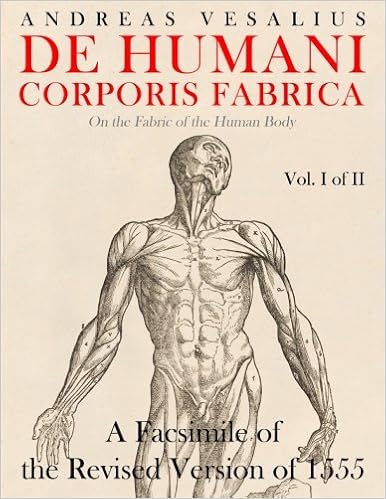
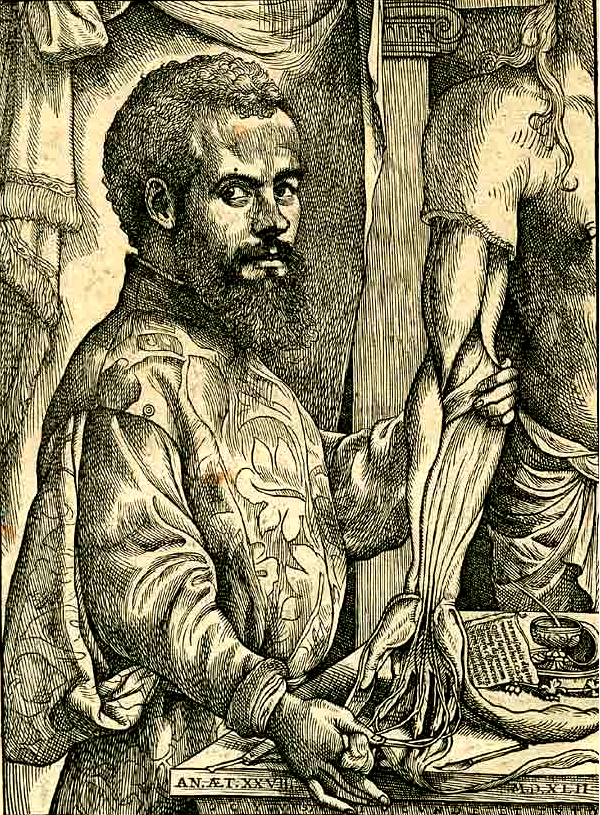
Andreas Vesalius, an artist, anatomist, and physician flourished in the Renaissance period, was known as the founder of modern anatomy. As one of the most important figures in the history of anatomy, he published the book on the detailed structure of the human body with internal structures. This book not only made huge progress in the art field to help artists better understanding and portraiting the real human body; his work also made progress in the medical field that became the turning point of medicine. Doctors began to examine the disease not only outside but also inside the human body.
As an art student myself, I also experience with anatomy a lot. When drawing human body structure, I need to study and memorize bones drawings and muscles sketchings. In the beginning, I did not understand the purpose, but later I found out that when art incorporates with anatomy, I knew the parts of human muscles on face and arms, so I can better apply lights and shadows to the human body. The drawing became more realistic and as natural as though it were living.
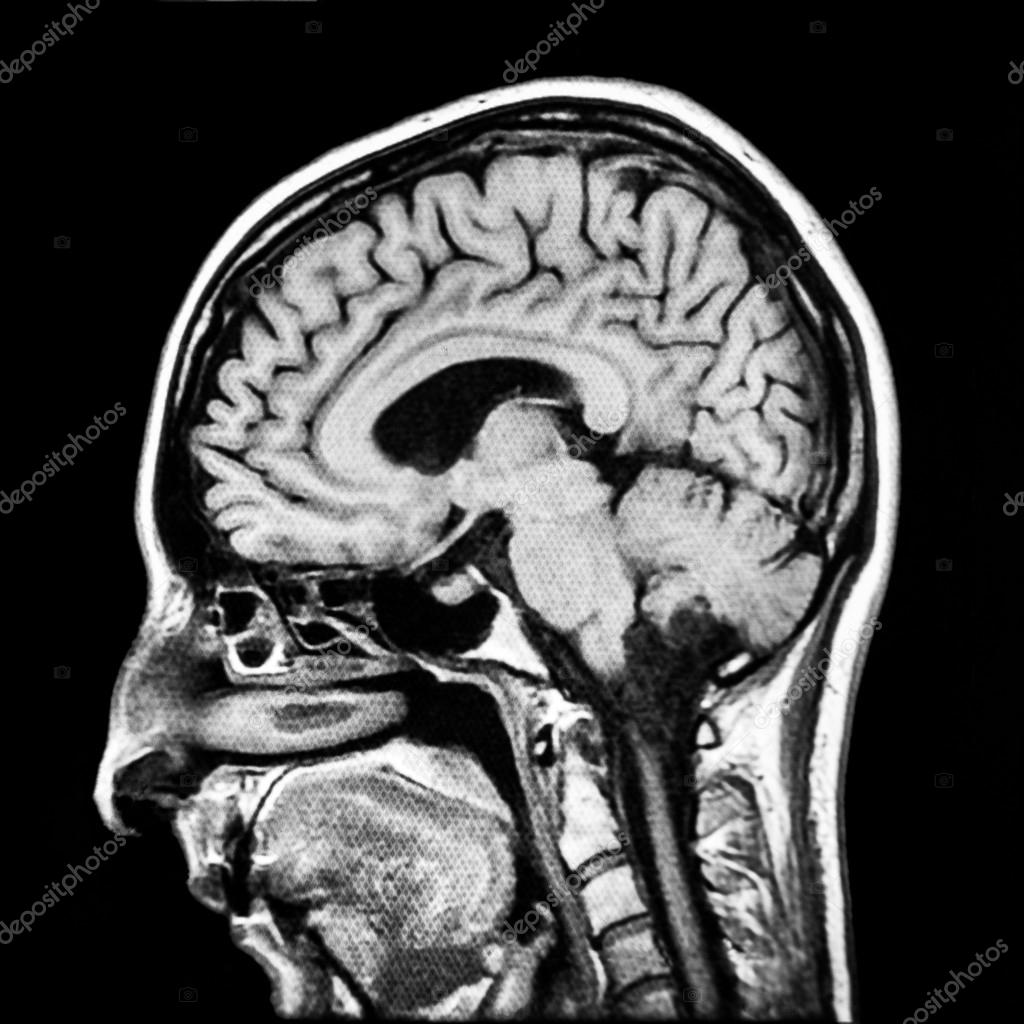
After Vesalius published his work, there are more detailed and accurate versions of human anatomy coming out. The plastination of the BodyWork also played a role in this development that helped the public better understand the structure inside the human body. With these achievements, human developed the genome project which identified 2000~2500 genes in the human body and MRI that can scan the detailed image inside organs and also applied in industry to study small parts.
Works Cited
Vesna, Victoria. “Http://www.youtube.com/v/Ep0M2bOM9Tk.” Lecture. Medicine pt1. Youtube, 21 Apr. 2012. Web. 25 Oct. 2012. <http://www.youtube.com/watch?v=Ep0M2bOM9Tk>.
 |
| Renaissance Anatomy |
 |
| Vesalius's work |
 |
| Andreas Vesalius |
As an art student myself, I also experience with anatomy a lot. When drawing human body structure, I need to study and memorize bones drawings and muscles sketchings. In the beginning, I did not understand the purpose, but later I found out that when art incorporates with anatomy, I knew the parts of human muscles on face and arms, so I can better apply lights and shadows to the human body. The drawing became more realistic and as natural as though it were living.
After Vesalius published his work, there are more detailed and accurate versions of human anatomy coming out. The plastination of the BodyWork also played a role in this development that helped the public better understand the structure inside the human body. With these achievements, human developed the genome project which identified 2000~2500 genes in the human body and MRI that can scan the detailed image inside organs and also applied in industry to study small parts.
Works Cited
Vesna, Victoria. “Http://www.youtube.com/v/Ep0M2bOM9Tk.” Lecture. Medicine pt1. Youtube, 21 Apr. 2012. Web. 25 Oct. 2012. <http://www.youtube.com/watch?v=Ep0M2bOM9Tk>.
Casini, Silvia. “Magnetic Resonance Imaging (MRI) as Mirror and Portrait: MRI Configurations Between Science and Arts.” (n.d.): n. pag. Web. 26 Oct. 2012.
Leavitt, Jennifer. “Anatomy As Artwork .” Medscape Log In, 2017,www.medscape.com/slideshow/anatomy-as-artwork-6008709.
Vesna, Victoria. “Http://www.youtube.com/v/FIX-9mXd3Y4.” Lecture. Medicine pt3. Youtube, 22 Apr. 2012. Web. 25 Oct. 2012. <http://www.youtube.com/watch?v=FIX-9mXd3Y4>.
Vesna, Victoria. “Http://www.youtube.com/v/psjnQarHOqQ.” Lecture. Medicine pt2. Youtube, 21 Apr. 2012. Web. 25 Oct. 2012. <http://www.youtube.com/watch?v=psjnQarHOqQ>.
Vesna, Victoria. “Http://www.youtube.com/v/FIX-9mXd3Y4.” Lecture. Medicine pt3. Youtube, 22 Apr. 2012. Web. 25 Oct. 2012. <http://www.youtube.com/watch?v=FIX-9mXd3Y4>.
Vesna, Victoria. “Http://www.youtube.com/v/psjnQarHOqQ.” Lecture. Medicine pt2. Youtube, 21 Apr. 2012. Web. 25 Oct. 2012. <http://www.youtube.com/watch?v=psjnQarHOqQ>.


Hi Ying,
ReplyDeleteGreat blog post. I thought it was difficult to connect art, technology, and medicine, but you did a great job. I liked the history point on Andreas Vesalius as well.